Top Benefits of Peelable Heat Shrink Tubing for Your Projects?
Peelable Heat Shrink Tubing has become a game-changer in various industries. John Smith, an expert in electrical engineering, has noted, “This tubing simplifies repairs and enhances durability.” His insights reflect the innovative use of this material.
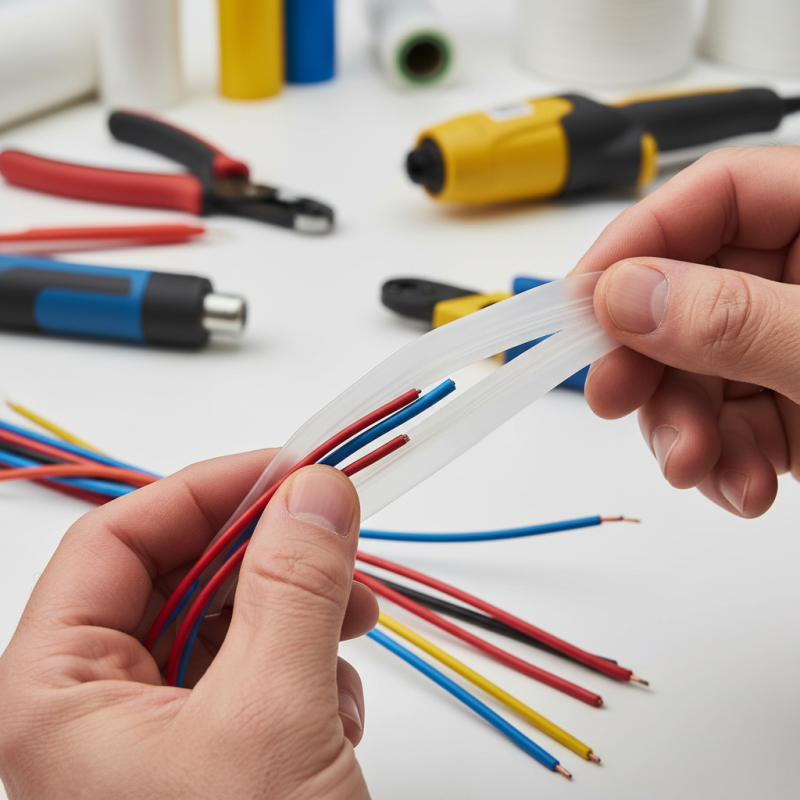
One of the standout benefits of Peelable Heat Shrink Tubing is its ease of application. Unlike traditional options, it can be removed effortlessly when needed. This flexibility appeals to many professionals, as it saves time and reduces waste during projects.
Additionally, Peelable Heat Shrink Tubing is designed to withstand harsh environments without compromising integrity. Choosing the right tubing can prevent potential failures, but many underestimate its long-term advantages. Investing in high-quality Peelable Heat Shrink Tubing proves essential for projects that demand reliability and efficiency.
Advantages of Peelable Heat Shrink Tubing in Various Applications
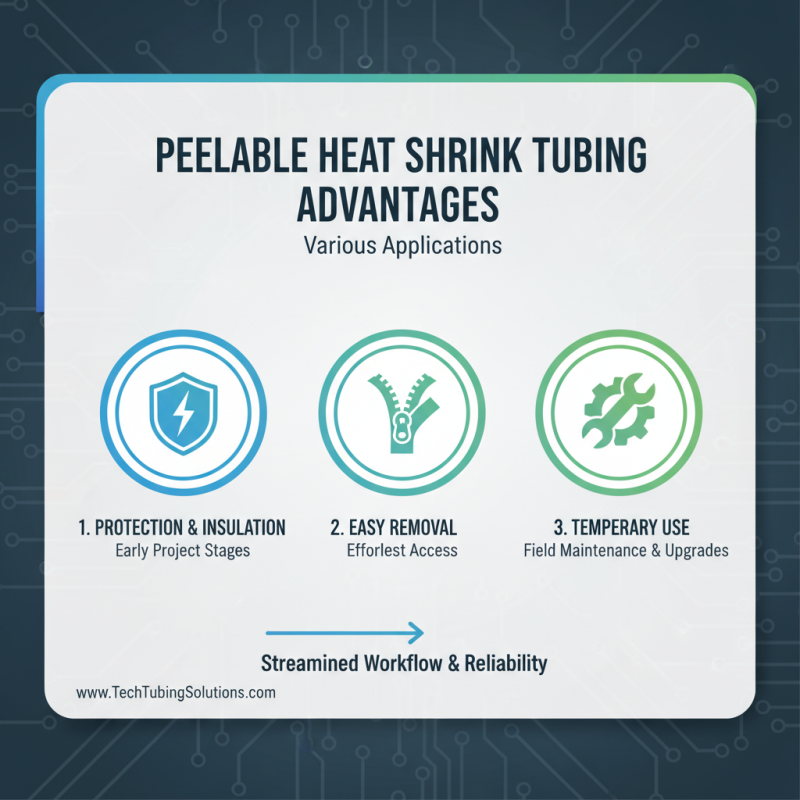
Peelable heat shrink tubing offers numerous advantages in various applications. This specialized tubing is designed for temporary use and can be effortlessly removed after application. It provides excellent insulation and protection early in a project while allowing easy access to connections when needed.
In electrical work, peelable heat shrink tubing serves as a reliable solution. It seals wires from moisture and contaminants, enhancing durability. When repairs or modifications are necessary, the tubing can be quickly peeled away without causing damage. This efficiency saves time and resources, accelerating project timelines.
Moreover, using peelable heat shrink tubing promotes a neat appearance in finished products. The smooth surface reduces the risk of snagging or tearing. However, some users have reported challenges in matching the right size. Ensuring a proper fit is crucial to maintain its protective qualities. Attention to detail during installation can mitigate these issues, leading to more successful outcomes.
Durability and Protection Offered by Peelable Heat Shrink Tubing
Peelable heat shrink tubing offers significant durability and protection for various applications. Its unique design allows for easy removal, which can be beneficial in many projects. According to recent industry reports, this type of tubing can withstand extreme temperatures ranging from -55°C to 125°C. This flexibility ensures that components remain safe under harsh conditions.
In addition to thermal resistance, peelable heat shrink tubing is resistant to moisture and chemicals. This resistance helps protect electrical connections, extending the lifespan of the components. An evaluation from a leading materials science study indicates that incorporating these tubes can enhance protection by 50% when exposed to solvents and abrasives. Such enhancement translates into lower maintenance costs and reduces downtime.
However, it's important to consider that not all projects require peelable options. Some applications might not benefit from this specific feature. Evaluating the project requirements is crucial. Selecting the right type of tubing ensures optimal performance and protection. While peelable heat shrink tubing offers many advantages, careful consideration of its application can lead to better decision-making in design and implementation.
Top Benefits of Peelable Heat Shrink Tubing
Ease of Use: Why Peelable Heat Shrink Tubing Simplifies Projects
Peelable heat shrink tubing revolutionizes the way we approach complex projects. Its ease of use stands out in various applications. The ability to quickly apply and remove this tubing saves time and reduces frustration. Unlike traditional options, peelable heat shrink does not require extensive tools or techniques. This simplicity encourages more people to engage in DIY projects without hesitation.
When projects require adjustments or repairs, peelable heat shrink tubing offers reliable flexibility. Imagine a scenario where you miscalculated the length. Instead of starting over, you can simply peel back the tubing and make necessary changes. This adaptability minimizes waste and maximizes efficiency. It’s empowering to know you can work with materials in a way that encourages experimentation.
On the flip side, it’s essential to consider the limitations. Not every project suits peelable options. In some cases, it may not provide the long-term durability needed. An awareness of these factors fosters a better understanding. Projects might also require rethink strategies to ensure the most effective use of resources. Embracing peelable heat shrink tubing can simplify tasks, yet knowing when to use it is crucial for optimal results.
Cost-Effectiveness of Peelable Heat Shrink Tubing for Professionals
Peelable heat shrink tubing is increasingly favored for its cost-effectiveness. Professionals find it useful in various applications, from electrical insulation to cable management. This tubing allows for quick installation, saving time and labor costs. When projects require flexibility, peelable tubing offers an efficient solution.
One may wonder about its durability. While peelable heat shrink tubing is designed for reliability, it might not perform well under extreme conditions. Factors such as temperature and exposure to chemicals can affect its integrity. It's essential to evaluate the environment of each project before use. Cost-conscious professionals might overlook these details, risking future expenses in repairs.
Knowing when to use peelable heat shrink tubing is crucial. It excels in situations needing frequent access to connections. However, for permanent applications, other options may be more suitable. Understanding the strengths and weaknesses of this product can lead to better decision-making. Balancing cost and longevity remains a challenge in project planning.
Top Benefits of Peelable Heat Shrink Tubing for Your Projects
| Benefit |
Description |
Cost-Effectiveness |
Application |
| Easy Removal |
Peelable heat shrink tubing can be easily removed without damaging the underlying surface. |
Reduces costs associated with rework and refurbishment. |
Electrical wiring, automotive applications. |
| Durability |
Provides a robust protective layer against abrasion and environmental factors. |
Minimizes replacement costs over time. |
Industrial equipment, construction materials. |
| Versatility |
Can be used on a variety of substrates and shapes. |
Reduces the need to stock multiple products. |
Electronics, telecommunications, and HVAC systems. |
| Aesthetic Features |
Available in various colors for identification and branding. |
Helps in organization and reduces the need for additional labeling. |
Consumer products, packaging solutions. |
| Heat Resistance |
Withstands high temperatures without degrading. |
Lower risk of failure in high-temperature environments means less replacement frequency. |
Aerospace, automotive engines, and electronics. |
Versatility of Peelable Heat Shrink Tubing Across Industries
Peelable heat shrink tubing offers remarkable versatility across various industries. According to a report by MarketsandMarkets, the heat shrink tubing market is expected to reach USD 1.1 billion by 2025. This growth highlights its essential role in sectors such as automotive, aerospace, and electronics. The ability to protect, insulate, and reinforce wire connections makes these materials indispensable in complex assemblies.
The medical industry is tapping into this technology too. Peelable heat shrink tubing can streamline processes, especially in device manufacturing. For instance, a recent study indicates that custom solutions can improve labeling efficiency by 30%. This efficiency can lower production costs and minimize errors. The ease of removal after application is crucial in sensitive environments, allowing for quick adjustments without damaging components.
Yet, challenges exist. Not all tubing performs equally under extreme conditions. Temperature fluctuations might affect adhesion and shrinkage. Moreover, selecting the right diameter and thickness for specific applications can be confusing. Educating teams on best practices can mitigate these issues, ensuring optimal performance and safety in every project.